Is Fennel Safe When Breastfeeding? Here’s What You Need to Know
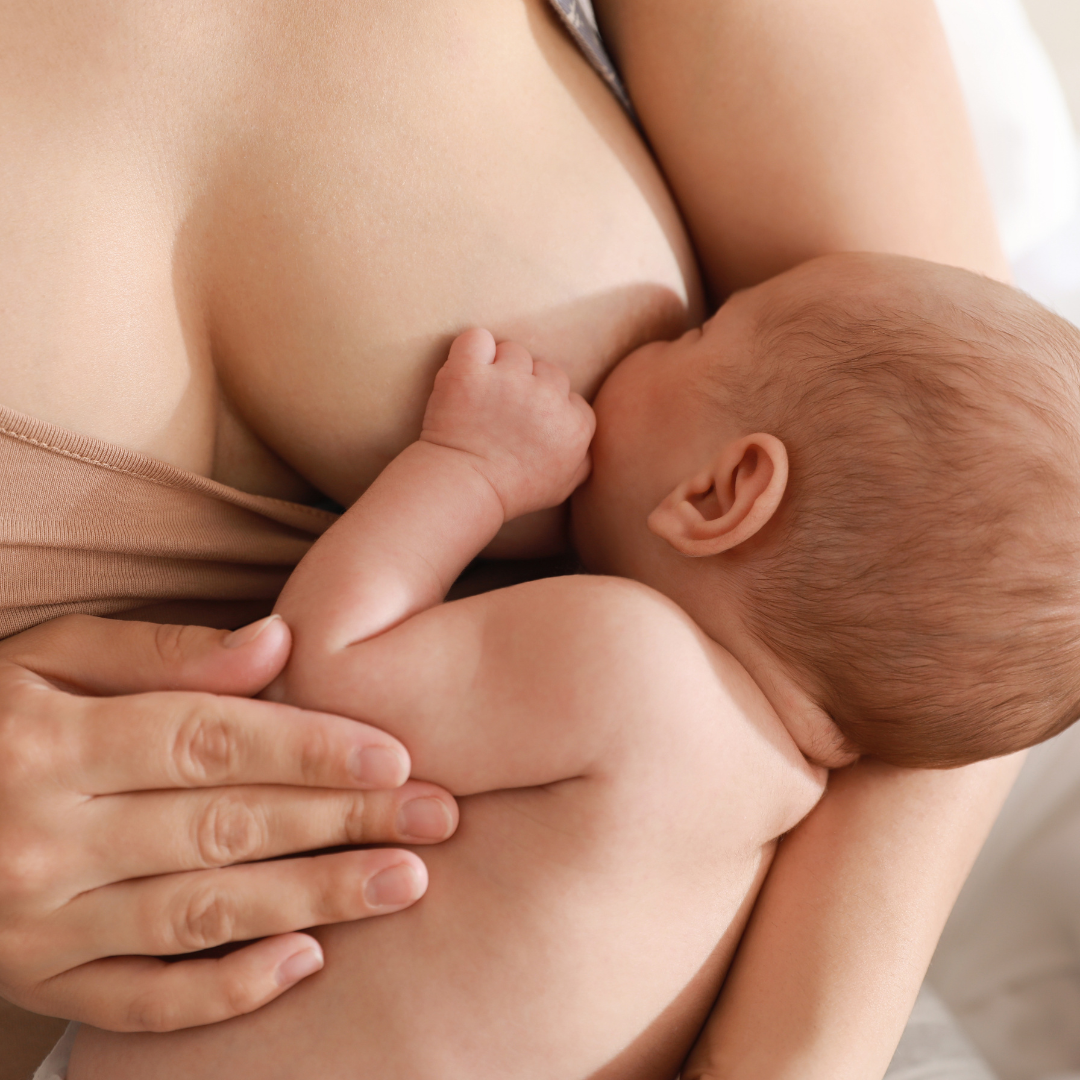
At The Breastfeeding Tea Co, we understand that as a breastfeeding mum, you’re mindful of every ingredient that goes into your body—because you know it can impact both you and your baby. One question we’re often asked is: “Is fennel safe when breastfeeding?”
The short answer is yes—absolutely! When consumed in safe amounts, fennel is not only safe but incredibly beneficial for breastfeeding mothers. In fact, it’s one of the most well-researched herbal galactagogues (a natural substance that supports milk supply) and digestive aids. Let’s take a closer look at why fennel is so loved by breastfeeding mums, and why we’ve chosen to include it in our colic-focused blends.
What is Fennel?
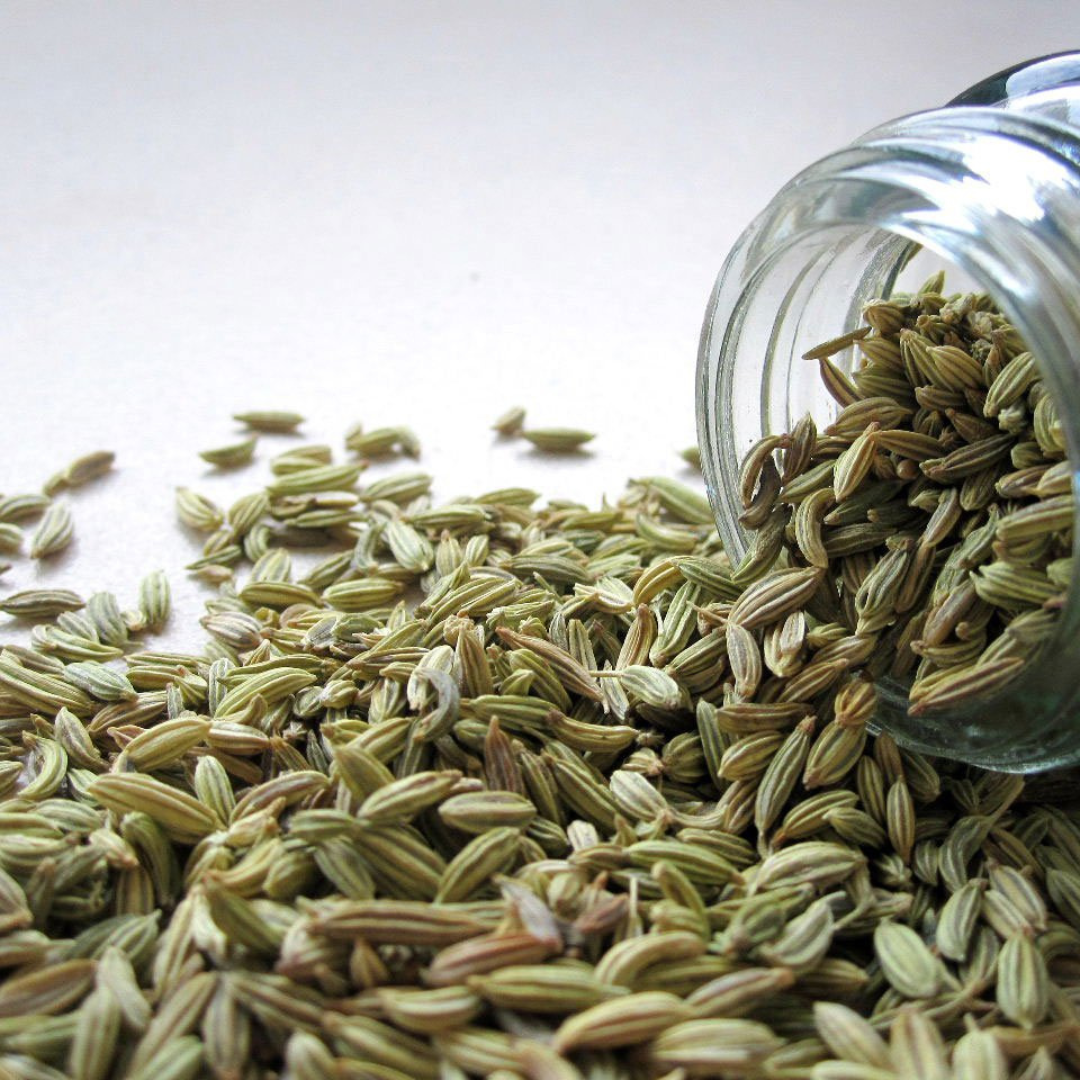
Fennel (Foeniculum vulgare) is a flowering plant in the carrot family, known for its sweet, anise-like flavour. Both the seeds and the foliage have been used traditionally for centuries to help ease digestion, reduce bloating, and—most importantly for new mums—help soothe an unsettled baby.
Fennel Safety & Benefits for Breastfeeding
| Focus Area | Safety & Benefit Status |
|---|---|
| During Breastfeeding | ✅ Safe & Supportive from birth. A well-known herbal galactagogue. |
| Milk Supply | ✅ Helps increase milk volume and fat content. |
| Baby's Digestion | ✅ May help ease wind and colic symptoms in babies via breast milk. |
| Product Use | ✅ Suitable for use from birth for breastfeeding mothers. |
Fennel and Breast Milk Supply
Fennel contains anethole, a compound that mimics the hormone estrogen, which plays a role in stimulating milk production. This is why fennel has been a key ingredient in traditional breastfeeding remedies around the world. Modern research supports this: studies have shown that fennel may increase milk volume, improve milk fat content, and even help babies gain weight more steadily.
Wait.. So Is It Safe for Baby when Breastfeeding?
Yes. When consumed in normal tea amounts, fennel is safe for both mum and baby. At The Breastfeeding Tea Co, we use carefully measured doses of organic fennel in our blends to ensure you get the benefits without any risk of overconsumption. Many mums notice that their baby seems less gassy or colicky after drinking our teas containing fennel—thanks to its gentle digestive properties that may pass through breast milk. For babies specifically struggling with wind or discomfort, our Colic Tea and Colic Chai are trusted choices.
What About the Warnings Online?
If you’ve seen conflicting information about fennel, you’re not alone. Like with many herbs, safety depends on the dose and form. Fennel essential oil in high concentrations is not recommended for ingestion, especially while breastfeeding. But rest assured, the brewed seed form found in our teas is completely safe, as confirmed by herbalists and lactation experts.
Frequently Asked Questions
Can I give fennel tea directly to my baby?
No, it is not recommended to give herbal teas directly to infants under six months of age. The best way for your baby to receive the benefits of fennel is through your breast milk after you have consumed it.
Are there any side effects of fennel?
In rare cases, some individuals may be allergic to fennel. If you or your baby experience any unusual symptoms like a rash or difficulty breathing, discontinue use and consult a healthcare professional.
About the Author
Jordana Edwards is the founder of The Breastfeeding Tea Co., Australia’s leading breastfeeding drinks brand. A two-time seven-figure entrepreneur and National AusMumpreneur of the Year 2022, she has supported over 75,000 mothers with natural, fenugreek-free products designed for pregnancy and breastfeeding.
References
- Australian Breastfeeding Association. Galactagogues (substances used to increase supply).
- Pregnancy, Birth and Baby (Australia). Herbal teas and fennel safety.
- Royal Children's Hospital Melbourne. Crying and unsettled babies – colic.
- Pregnancy, Birth and Baby (Australia). Crying baby: Causes and support.